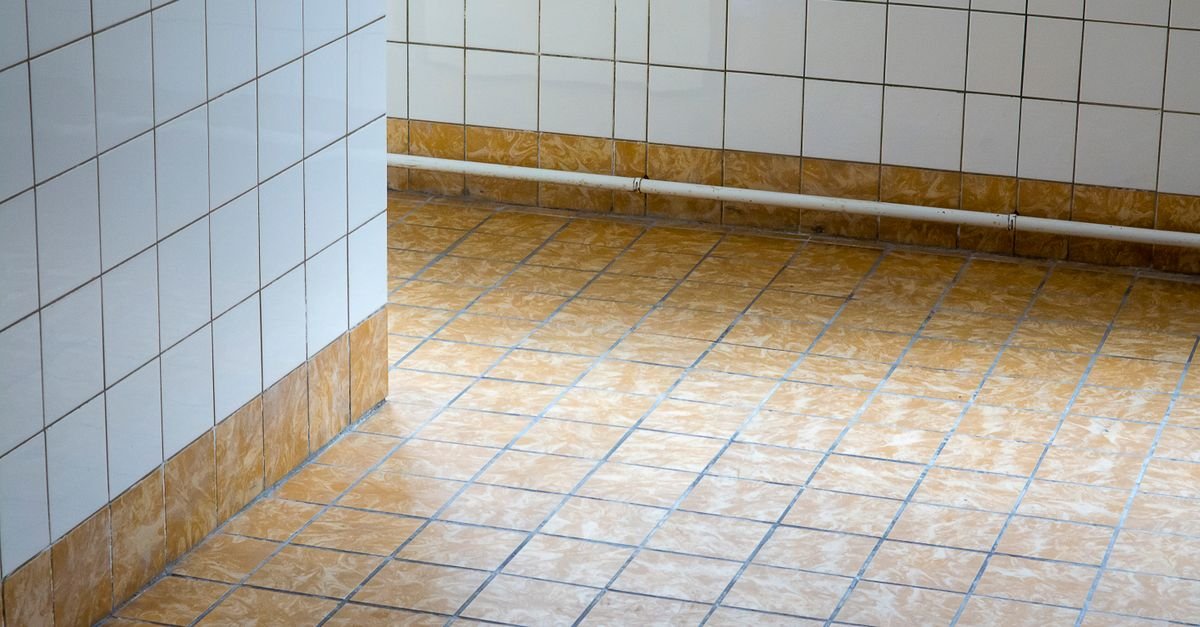
Your tile floor looks dull and cloudy right after you mop it. You've tried different cleaners, upgraded your mop, and cleaned more frequently, but the hazy film persists. The problem often isn't that you're not cleaning enough—it's that embedded soil, soap residue, or hard water deposits need a different approach than routine mopping provides.
Why Tile Floors Develop a Dull Appearance
The cloudy appearance on tile floors usually comes from soap film buildup or hard water deposits. Most household floor cleaners contain soaps or detergents, and these products often leave behind a thin film, especially if you're not rinsing thoroughly with clean water after mopping. This film builds up over time, creating a dull, cloudy appearance.
When you use too much cleaning solution or fail to rinse the floor thoroughly, sticky floors result because soap residue attracts dust and dirt, making your floor look dull shortly after you finish cleaning.
The non-reflective, slightly rough surface of matte tiles makes it easier for dust, grime, and cleaning product residue to cling to the surface. Unlike shiny tiles that reflect light and hide some smudges, matte tiles reveal every streak and residue patch.
How Mopping Can Make the Problem Worse
Traditional mopping often makes tile floors dirtier, not cleaner. When you dip your mop in a bucket of soapy water and drag it across your floor, you're spreading a thin layer of dirty water across the entire surface. The mop picks up some dirt but also pushes plenty of it around. The dirty mop water flows into grout lines and textured tile surfaces where it sits and dries, leaving behind soil and soap residue. Your floors may look clean when wet, but as they dry, the dirt and residue become visible again.
If you do not rinse your mop frequently, you are simply spreading dirty mop water right back across your floors. A damp mop can leave behind a sticky residue, especially if you use too much cleaning solution.
The Role of Grout Lines
Grout lines contribute significantly to the dull appearance. When tile is first installed, the grout is usually sealed, creating a relatively smooth, non-porous surface. But grout sealant wears off over time, typically within one to two years depending on foot traffic and cleaning habits. Once the sealant is gone, grout becomes incredibly porous. Every time you mop, dirty water flows into those tiny pores and gets trapped.
Because grout is porous, it acts like a sponge, absorbing spills, soap scum, grease, and tracked-in dirt. While a glazed tile surface is smooth and resistant to staining, the grout lines make the entire floor appear dirty even after mopping.
How to Remove the Buildup
To remove soap film and cleaner buildup, start with better technique and less product. Vacuum or dry-dust first to ensure loose grit does not turn into mud when wet.
Use a pH-neutral cleaner for daily tile maintenance because these formulas lift dirt effectively without leaving behind a sticky residue. After applying cleaner, rinse the floor thoroughly with clean water to remove all soap residue. Rinse with clean water and dry with a microfiber cloth after mopping to prevent new residue from forming.
If routine cleaning with proper technique and pH-neutral cleaners still leaves floors looking dull, the issue may be embedded soil rather than surface film. Professional tile and grout cleaning removes years of accumulated soil and residue that household cleaning methods can't touch. Professional cleaning uses mechanical agitation and extraction to remove embedded soil, grease, and dirty solution, rather than simply redistributing it.
Preventing Future Buildup
Once you've addressed the existing buildup, prevent recurrence by using less cleaning product than you think you need. Remove dry soil before wet cleaning, and make sure dirty solution is actually removed rather than redistributed.
After professional cleaning, applying a high-quality grout sealant acts as a protective barrier against future spills and stains. Regular maintenance with proper products and thorough rinsing keeps floors looking clean longer.
Routine mopping handles surface maintenance, while restorative deep cleaning resets the floor to a cleaner baseline. If your floor still looks dull after proper rinsing and pH-neutral cleaners, the buildup has likely reached the point where it needs professional extraction rather than another pass with a mop. For related maintenance guidance, see our article on cleaning bathroom grout without damage.
Sources
- Why Your Tile Floors Look Dirty No Matter How Much You Mop (And What Actually Works) — Cleaning by Jen
- Why Tile Floors Look Dirty After Mopping — Grout Magnificent
- Matt Floor Tiles Always Look Dirty? Causes, Cleaning Solutions, And Maintenance Tips — Flooring Clarity
- Why Mopping Alone Never Fixes It — Cozy Indoor