Most cleaning schedules fail because they treat your home like a static problem[1]. They assume you have the same energy, the same free time, and the same number of people living in your space every single week. A useful routine has to bend around your actual life, not the other way around.
The difference between reactive cleaning—waiting until things look dirty—and a scheduled approach is consistency. A routine returns your home to a neutral state so tomorrow starts fresh[1].
The Daily Reset Framework
The daily reset is the backbone of any realistic routine[1]. It's not about deep cleaning. It's about returning your home to a neutral state. One approach uses a 5-minute morning tidy and a 10-minute evening reset for a total of 15 minutes[1].
Another tested system splits daily tasks into two 30-minute blocks for a one-hour daily routine[2]. The evening routine resets your home before bed and incorporates one specific rotating task[2].
Example daily tasks:
- Morning: Make beds, clear kitchen counters, quick surface wipe
- Evening: Dishes, counters, sweep high-traffic areas, one rotating zone task
Time budgets vary by home size, number of occupants, and task scope. Start with what fits your schedule and adjust as needed.
Weekly Zone Rotation
After establishing the daily reset, layer in a weekly zone rotation. This approach focuses on one area of the home each day rather than trying to clean everything at once[2]. The zone method prevents the overwhelming feeling of a massive weekend deep clean.
Example weekly zone schedule (15–30 minutes per zone):
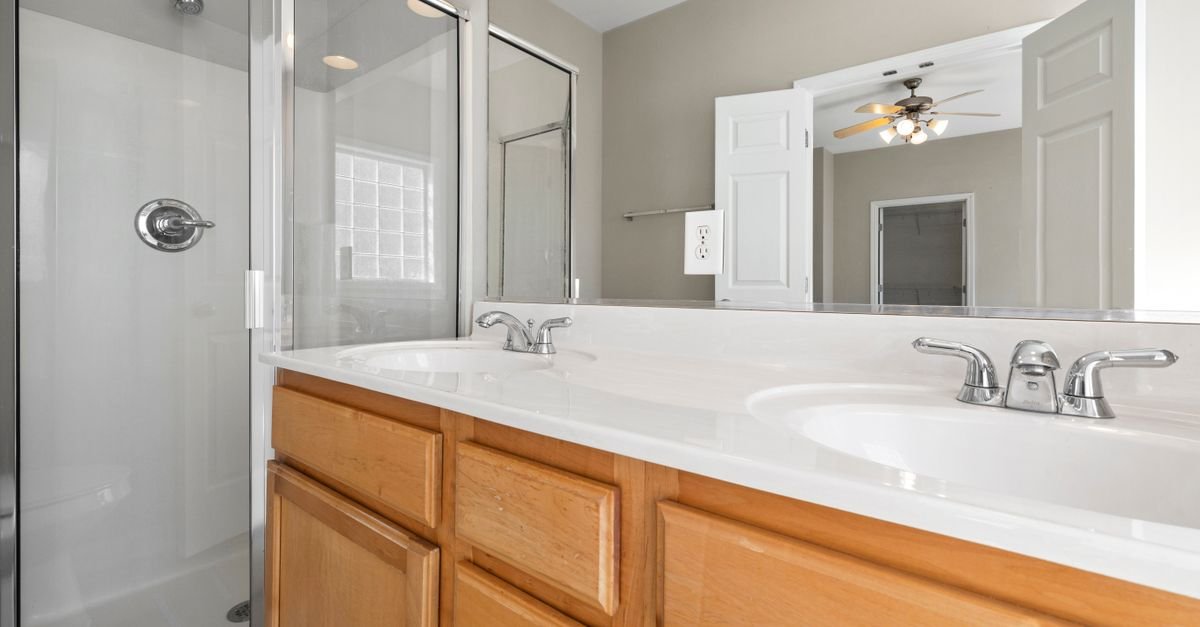
- Monday: Bathrooms (scrub tubs, toilets, mirrors)
- Tuesday: Bedrooms (vacuum, dust, change sheets)
- Wednesday: Kitchen (wipe appliances, clean sink, mop floor)
- Thursday: Living areas (vacuum, dust surfaces, organize)
- Friday: Floors (vacuum or mop remaining areas)
Assign each room or zone to a specific day. During that day's rotation slot, tackle the tasks specific to that space. This distribution keeps the workload manageable. Related: How to Build a Home Maintenance Schedule That Fits Your House
Monthly Deep Tasks
Beyond daily and weekly tasks, schedule monthly focuses for maintenance that doesn't need weekly attention. These might include baseboards, light fixtures, window tracks, or appliance interiors. Rotating these monthly tasks prevents them from becoming major projects.
Example monthly rotation (30–45 minutes per focus):
- Week 1: Deep clean one bathroom (grout, vents, baseboards)
- Week 2: Kitchen appliances (oven, refrigerator, dishwasher)
- Week 3: Windows and window tracks
- Week 4: Baseboards and light fixtures
Basic Supplies to Start
These starter supplies cover most routine cleaning tasks:
- All-purpose cleaner
- Microfiber cloths or cleaning rags
- Vacuum or broom and dustpan
- Mop or floor cleaning system
- Bathroom cleaner
- Dish soap and sponges
Set Up Your System
Start by listing your actual daily and weekly tasks. Walk through your home and note what needs attention and how often. Be realistic about your available time and energy.
Choose your tracking method. A physical, visual checklist keeps you accountable and breaks large projects into manageable chunks[2]. Whether you use a printed template, a notebook, or a digital tool, the key is having a visible system that removes the mental load.
Assign your tasks to specific days based on your actual schedule. If Wednesdays are chaotic, don't schedule heavy tasks that day. Build flexibility into the system from the start.
When the Routine Breaks Down
Every routine will eventually break[1]. The difference between people who keep a clean home and those who don't is how they handle the breakdown. When you miss a day or a week, return to the daily reset first. Don't try to catch up on everything at once.
Your schedule needs to account for low-energy days, surprise events, and weeks when you just want to survive[1]. Build that grace into your system by keeping the daily tasks minimal and making the weekly rotation flexible enough to shift days when needed.
Your house is a home, not a museum, and it isn't supposed to look perfect around the clock[2]. The best routine is the one you actually use[1]—not the one that looks impressive or covers every possible task, but the one that fits your home, your family, and your energy.
Sources
- The Cleaning Routine Schedule That Actually Works — Family Goody
- Free Printable Cleaning Schedule: A Realistic Routine That Works — Lamberts Lately