Why Your Tile Floor Looks Dull After Mopping—and How to Fix It
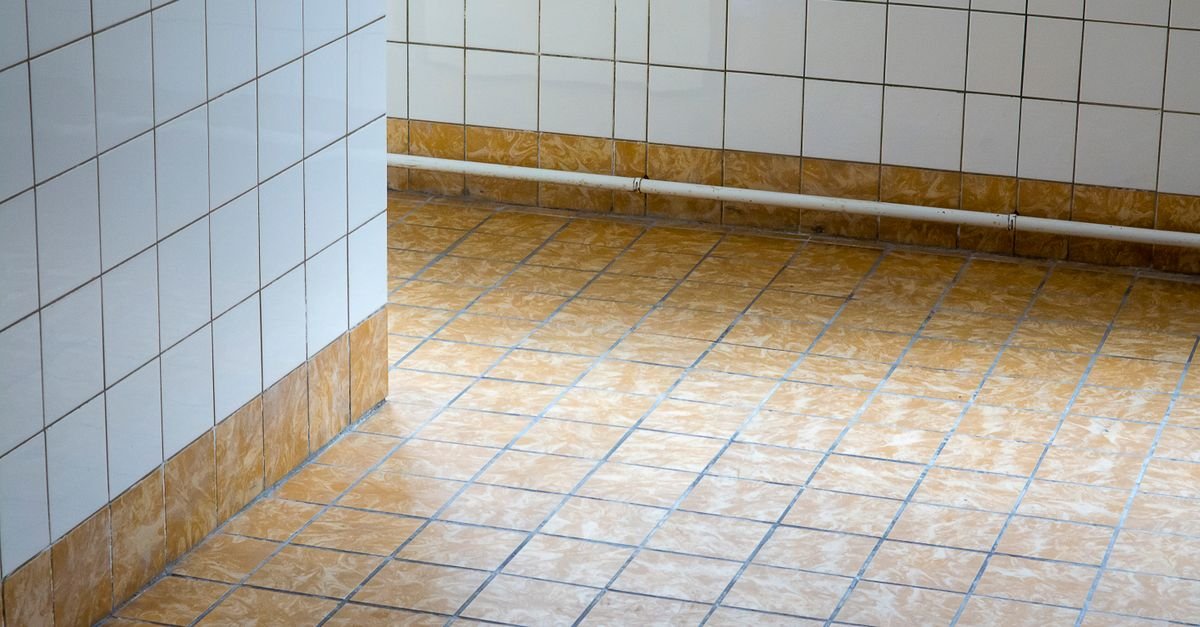
If your tile floor looks cloudy or dull even after mopping, the problem may be soap residue, hard water deposits, or embedded soil in grout lines—not simply surface dirt.


If your tile floor looks cloudy or dull even after mopping, the problem may be soap residue, hard water deposits, or embedded soil in grout lines—not simply surface dirt.

Most cleaning schedules fail because they treat your home like a static problem. A routine that sticks bends around your actual life, prevents buildup through scheduled tasks, and starts with manageable daily resets.

New homeowners who document their home's systems early gain a reference that simplifies maintenance planning, warranty claims, and future resale.

Buying plants before working out the layout is one possible contributor to the cramped, busy look in small backyards. This article lays out a recommended sequence, starting with circulation and zones before any plant purchase, that may help reduce overgrowth problems.

A clear sorting system, not more storage bins, is what stops backyard clutter from just moving around your yard. Here's how to set up three zones before you touch a single item.

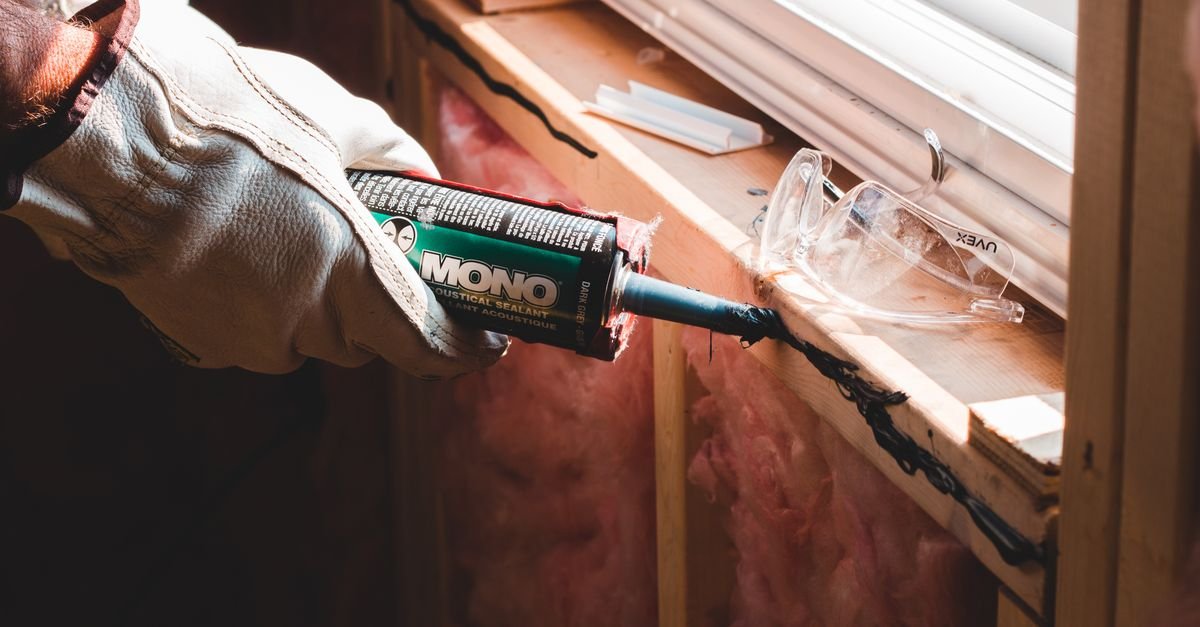
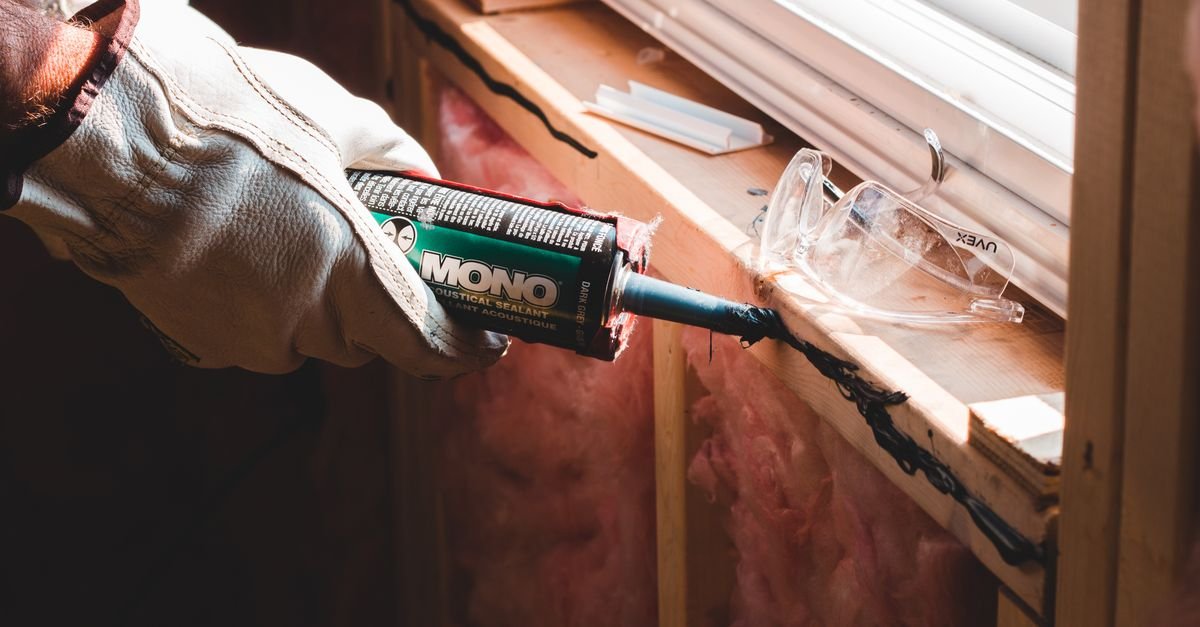
Knowing whether to weatherstrip, caulk, or foam an air leak makes the difference between a fix that lasts years and one that fails by winter's end.

Cracked or moldy caulk is not always just a cosmetic problem. Use this surface-by-surface checklist to decide whether to clean, repair, or remove the old sealant completely.

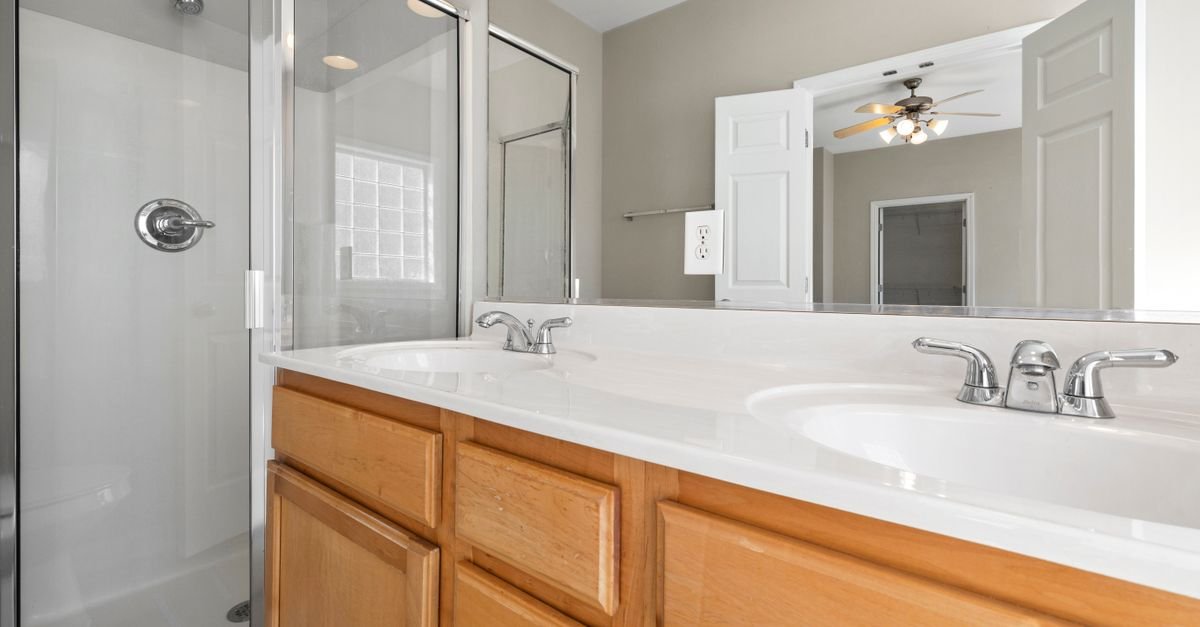
A damp bathroom is often caused by timing, airflow, or a fan that is moving less air than it should. Try this simple routine before buying new equipment.

Clean stainless-steel appliances with the mildest method approved for the finish: use a soft cloth, follow the grain on brushed surfaces, rinse away residue, and dry immediately.

Before replacing your water heater, start with the changes that cost little or nothing: check the temperature setting, reduce unnecessary hot-water use, insulate accessible pipes, and use efficient fixtures. Then compare controls and replacement options based on your heater type, household demand, and available space.

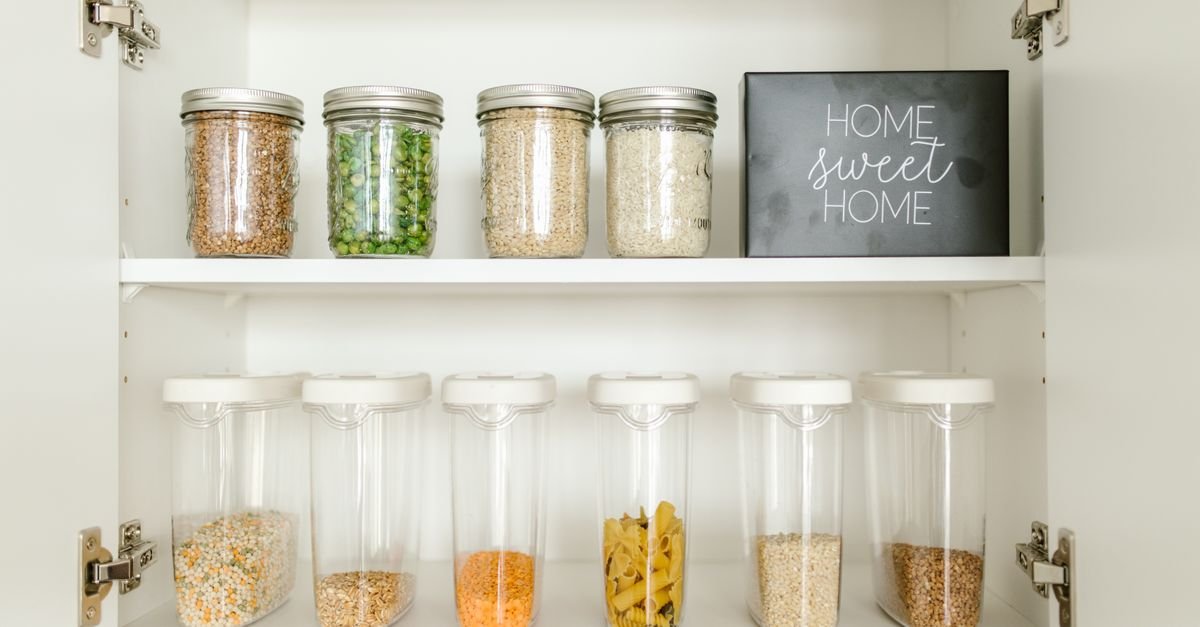
A usable pantry starts with shelf geometry, not containers. Measure the foods you buy most often, group them by height and frequency, and assign each shelf a clear job before purchasing bins or risers.

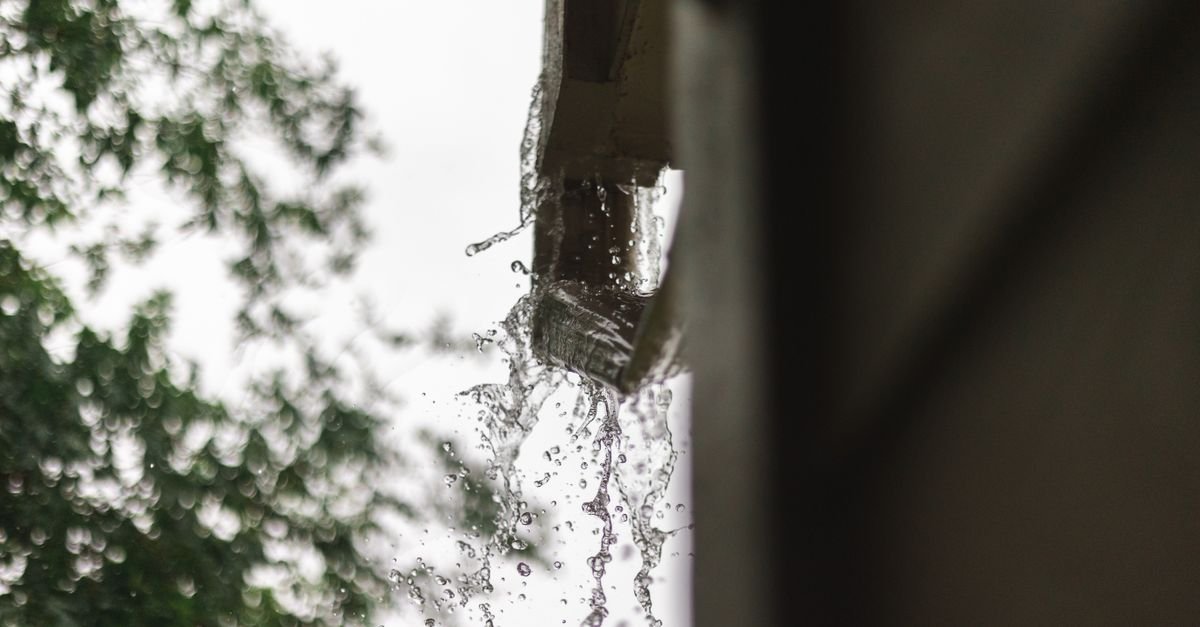
Most homes need gutter cleaning at least twice a year, but the better schedule depends on trees, storms, roof design, and what happens to the water after it leaves the downspout.

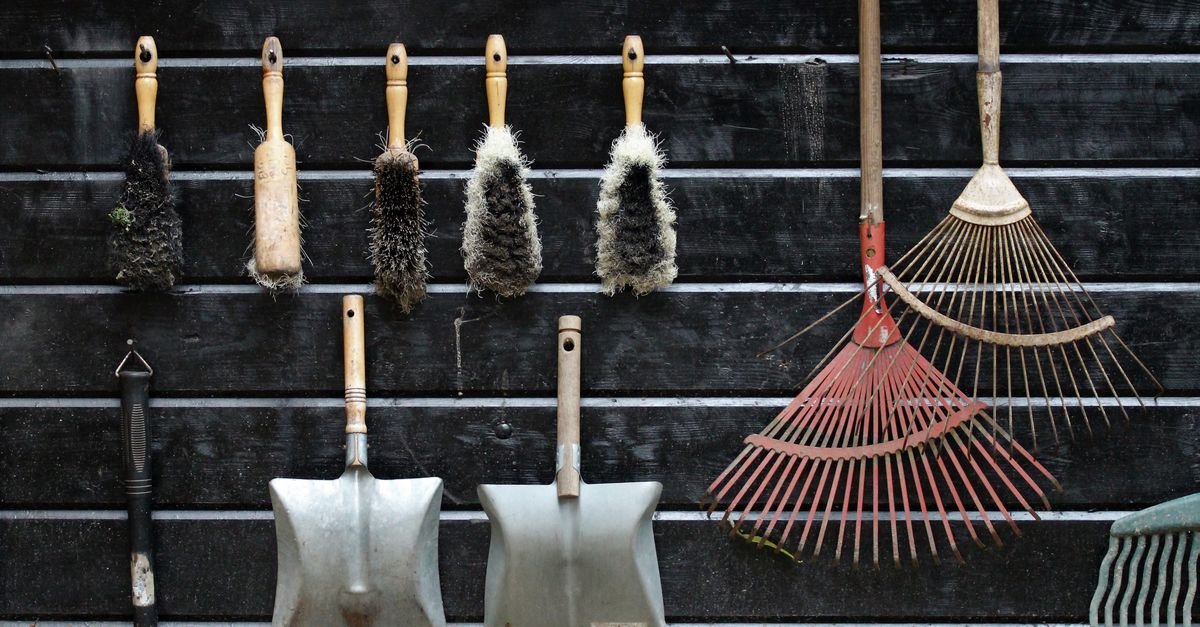
You do not need a giant toolbox on moving day. Start with tools for the jobs you are most likely to handle, then add equipment only when a real project justifies it.

A yearly homeowner inspection is not a substitute for a licensed specialist. It is a repeatable visual walk-through that helps you notice changes, document evidence, and decide what needs professional attention.

Routine appliance checks cannot guarantee that leaks will not occur, but inspecting connections, seals, filters, and drain paths can help identify problems early and reduce the risk of water damage.

Patio cushions often become moldy in storage because moisture gets trapped inside fabric, foam, covers, or storage boxes. The fix is a complete routine: clean the surface, dry the cushion and foam thoroughly, and store it where air can circulate.

Deep pantry shelves work better when every item has a visible, reachable zone. Compare pull-out bins, half-depth baskets, risers, shelf adjustments, and door storage before you buy anything.

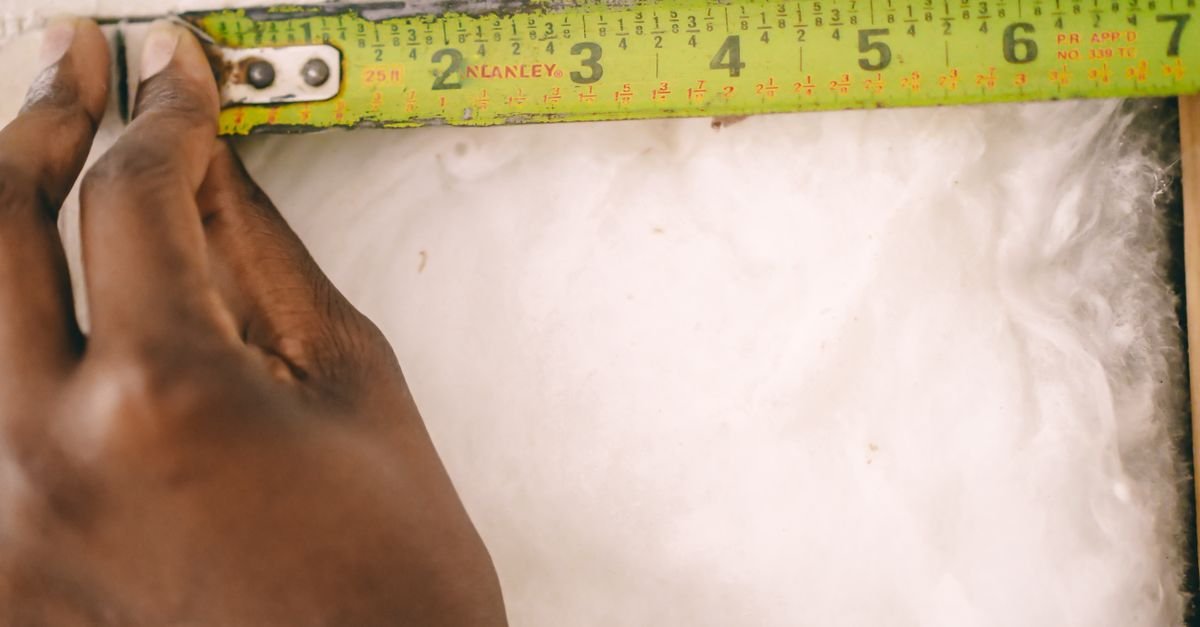
Before you pay for more attic insulation, check whether the real problem is low insulation, air leakage, moisture, or blocked ventilation. A careful inspection from the access hatch can help you ask better questions and avoid covering a problem that should be fixed first.

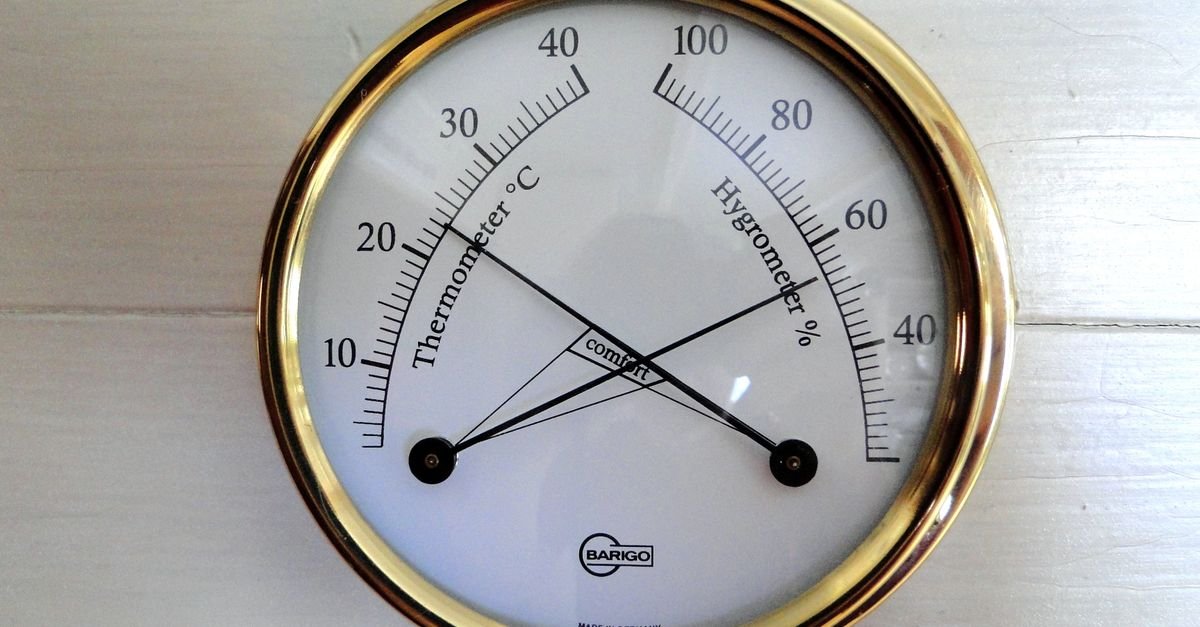
Interior window condensation usually means humid indoor air is meeting cold glass. Use this troubleshooting guide to find the cause before replacing windows or repainting damaged trim.

A smelly kitchen sink is not always a dirty drain. Use a diagnostic clue to distinguish drain buildup, garbage-disposal residue, cabinet leaks, trap problems, and odors that may require a plumber or gas utility.

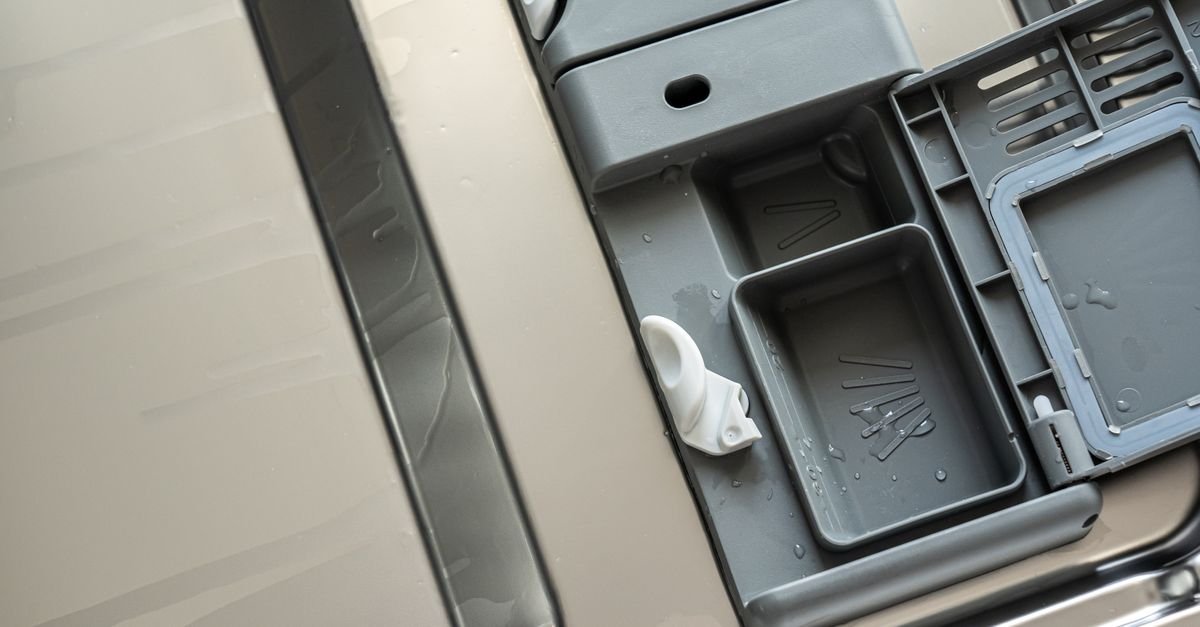
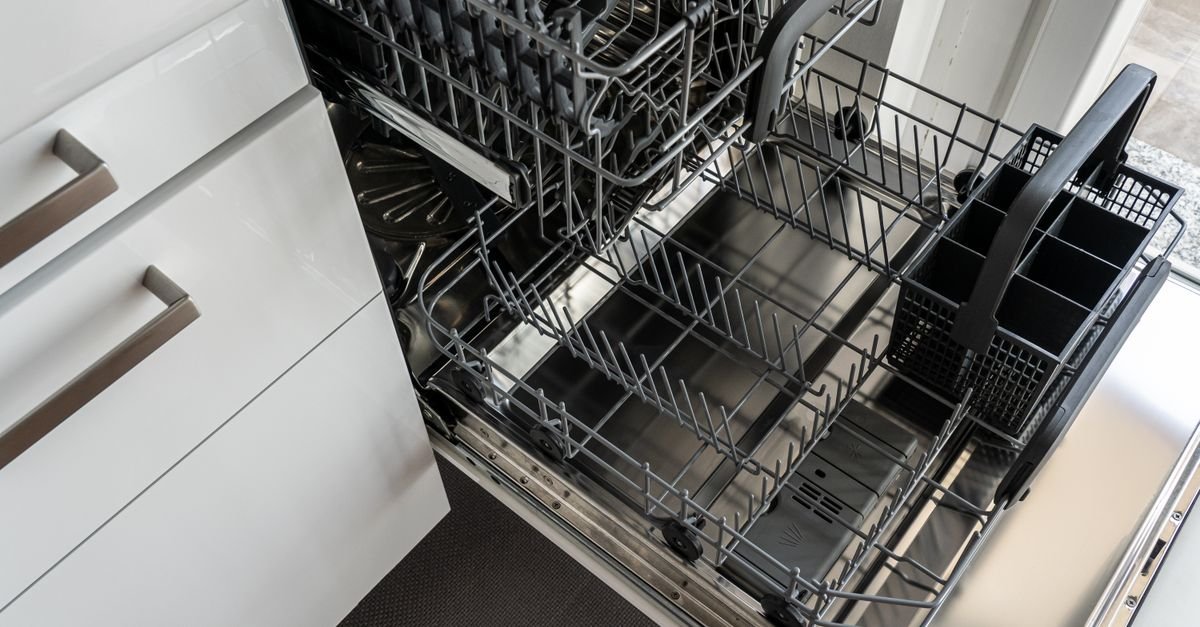
A bad dishwasher smell usually starts with trapped food, a dirty filter, moisture around the gasket, or water that is not draining correctly. This symptom-by-symptom guide explains what to check, how to clean the appliance safely, and when a recurring odor may need service.

A clean lint screen does not guarantee a clear exhaust path. Use drying time, heat, moisture, and outdoor airflow clues to decide whether your dryer vent needs attention.

A useful home maintenance schedule is not a universal checklist. Build yours from the inspection report, appliance and equipment manuals, climate, property risks, and the age of major systems.

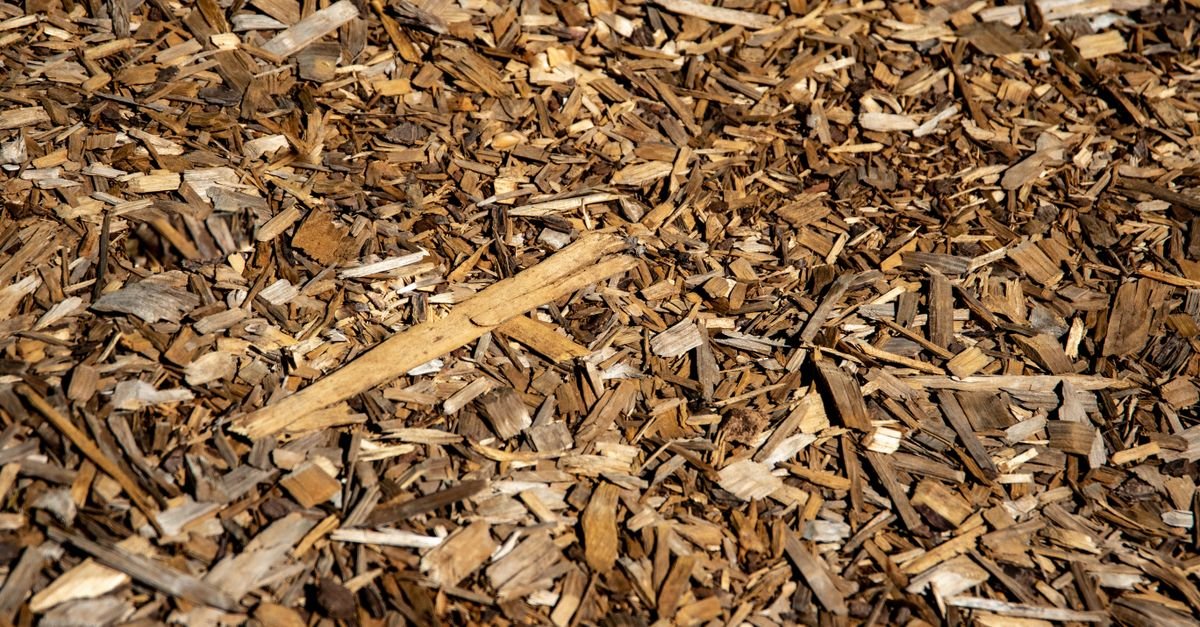
Most garden beds need about 2 to 3 inches of settled mulch, but the best depth depends on the plant zone, mulch material, drainage, and slope. Use this practical guide to calculate how much you need, keep mulch away from stems and trunks, and refresh it without creating a thicker layer every year.

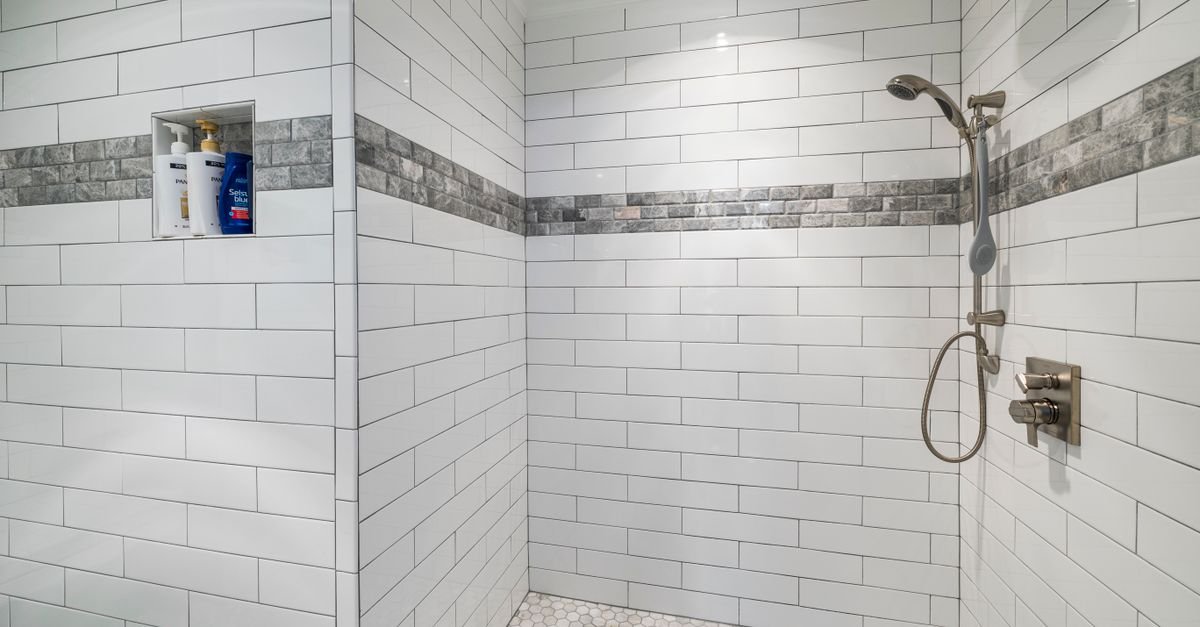
Dirty grout does not always need aggressive chemicals or hours of scrubbing. Match the cleaning method to the grout, caulk, tile, and stain before you begin.

An HVAC filter can provide whole-home particle filtration when your heating or cooling system runs. A portable air purifier is usually better for one bedroom, nursery, or other priority room. Neither device fixes moisture, humidity, or the source of mold.

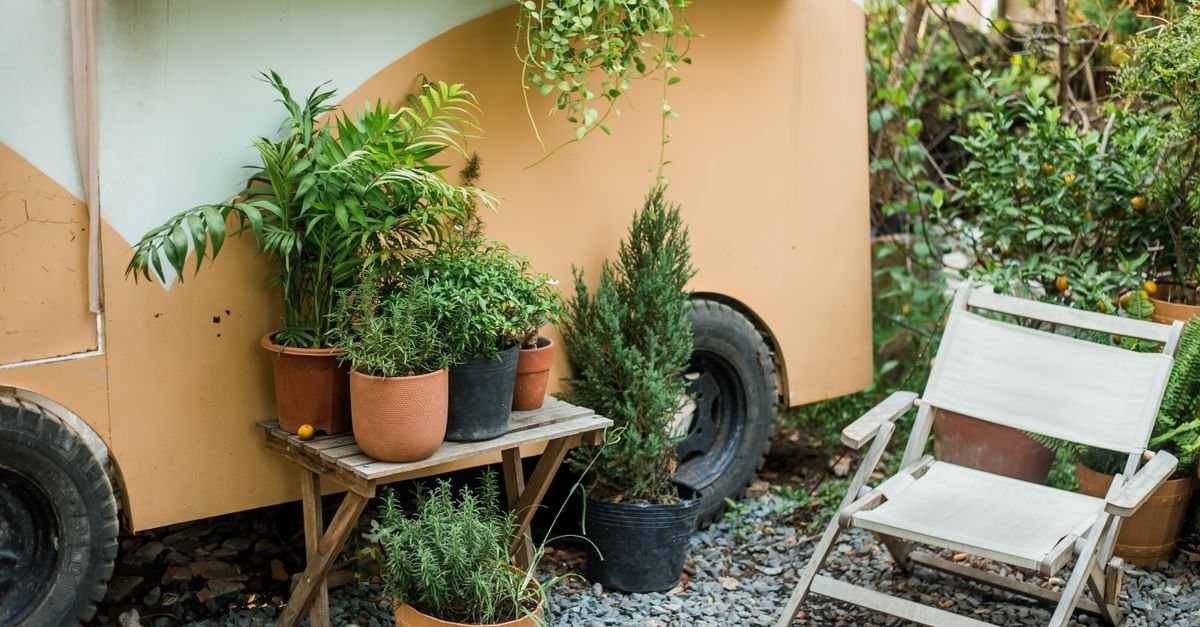
The safest vacation watering plan depends on how long you’ll be away, how quickly your containers dry, and whether you have access to a faucet. Use this trip-length guide to protect patio flowers, herbs, and vegetables without overwatering them.

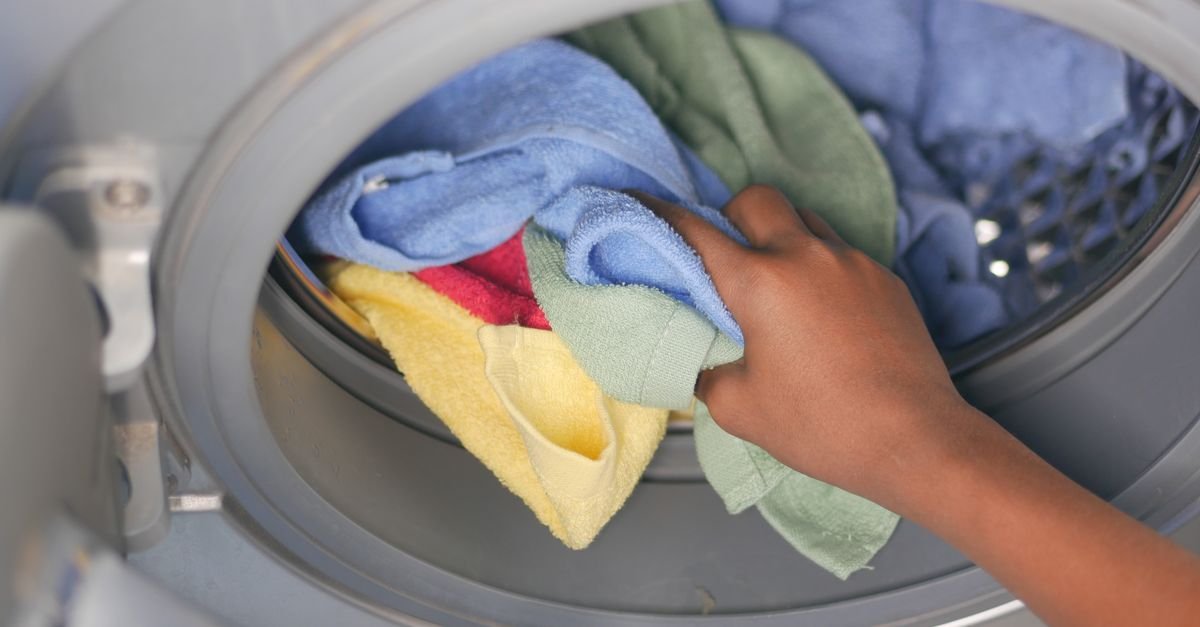
A front-load washer gasket can trap water, lint, detergent residue, and small clothing items. Cleaning the folds and changing a few drying habits usually does more than masking the odor with fragrance.

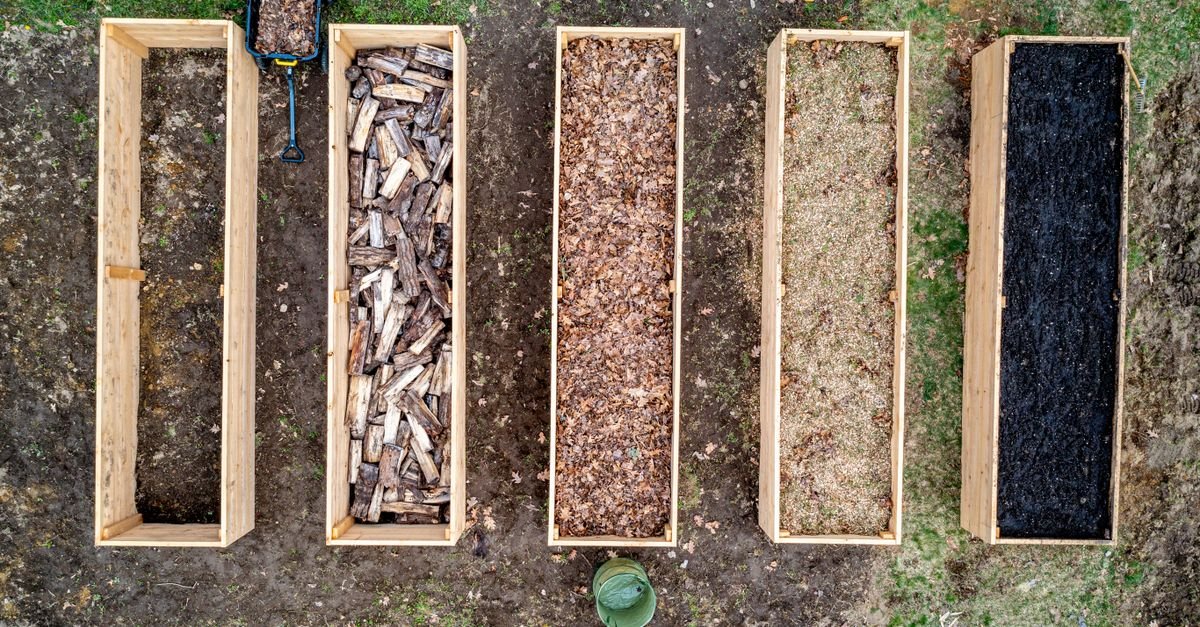
The best base for a raised garden bed depends on what is underneath it. Use this site-specific guide to choose between bare soil, cardboard, landscape fabric, or hardware cloth without creating drainage or maintenance problems.

You do not need to complete every item on an idealized home maintenance checklist. Start with tasks that address water, fire and carbon-monoxide risks, equipment problems, and small defects before they become expensive.