Why Your Tile Floor Looks Dull After Mopping—and How to Fix It
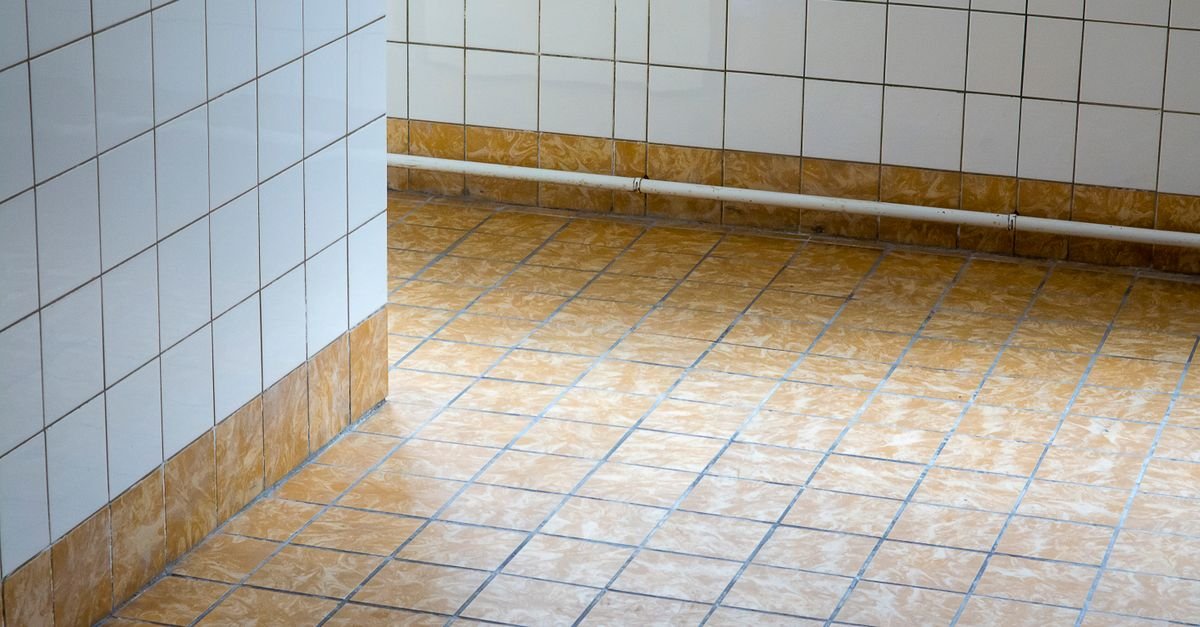
If your tile floor looks cloudy or dull even after mopping, the problem may be soap residue, hard water deposits, or embedded soil in grout lines—not simply surface dirt.


If your tile floor looks cloudy or dull even after mopping, the problem may be soap residue, hard water deposits, or embedded soil in grout lines—not simply surface dirt.



Buying plants before working out the layout is one possible contributor to the cramped, busy look in small backyards. This article lays out a recommended sequence, starting with circulation and zones before any plant purchase, that may help reduce overgrowth problems.

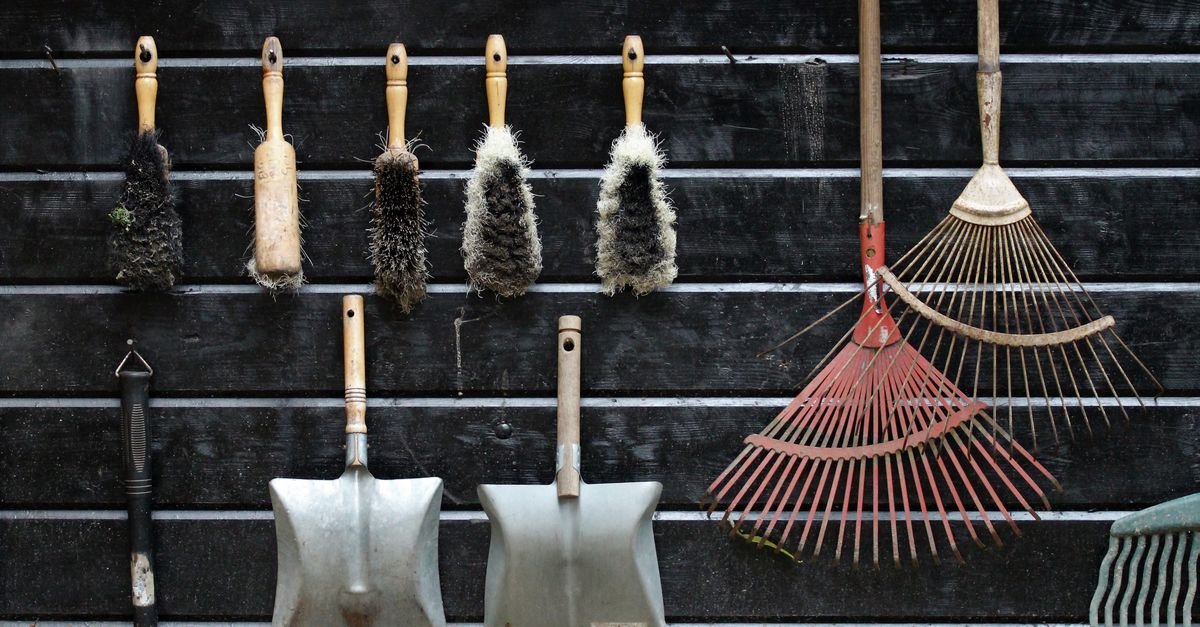
A clear sorting system, not more storage bins, is what stops backyard clutter from just moving around your yard. Here's how to set up three zones before you touch a single item.

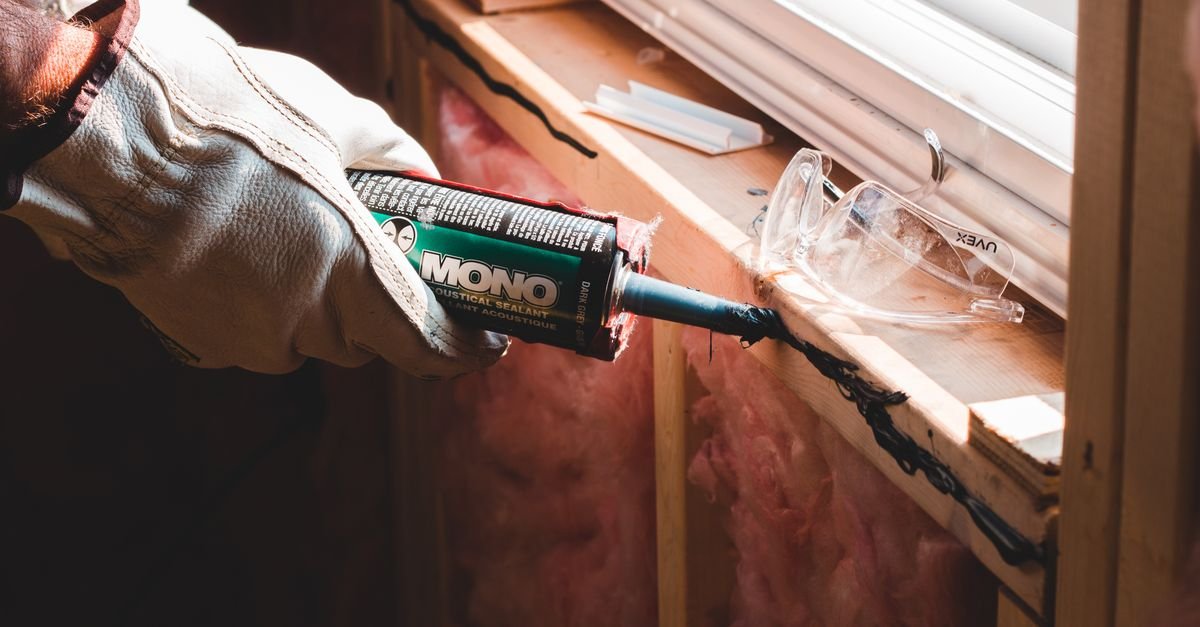
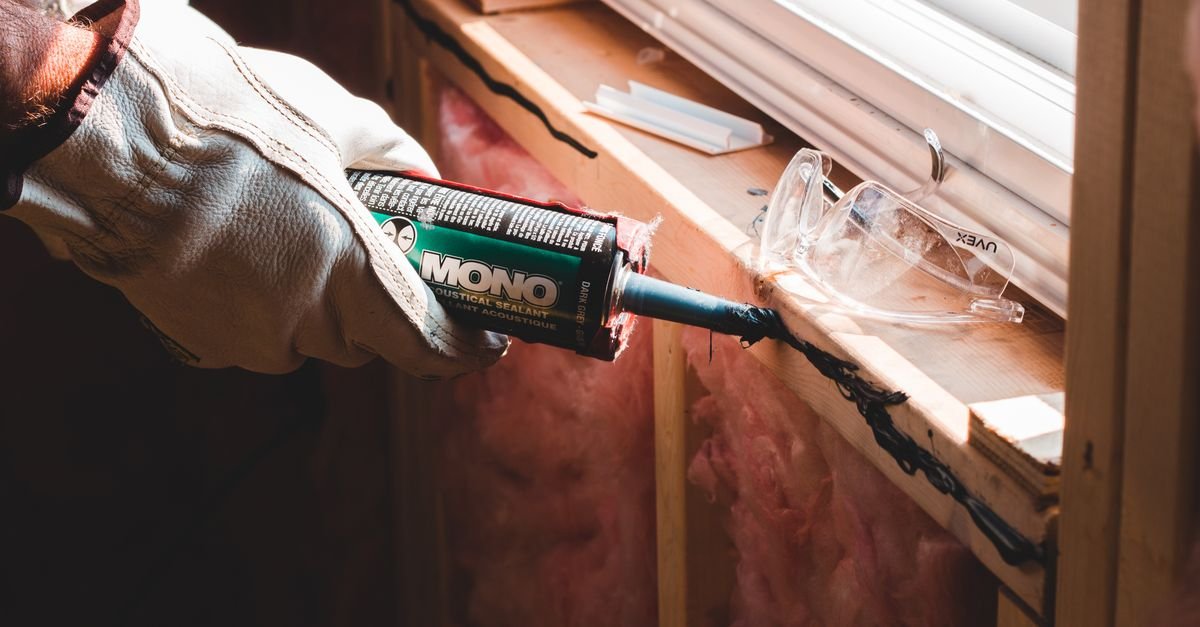
Knowing whether to weatherstrip, caulk, or foam an air leak makes the difference between a fix that lasts years and one that fails by winter's end.

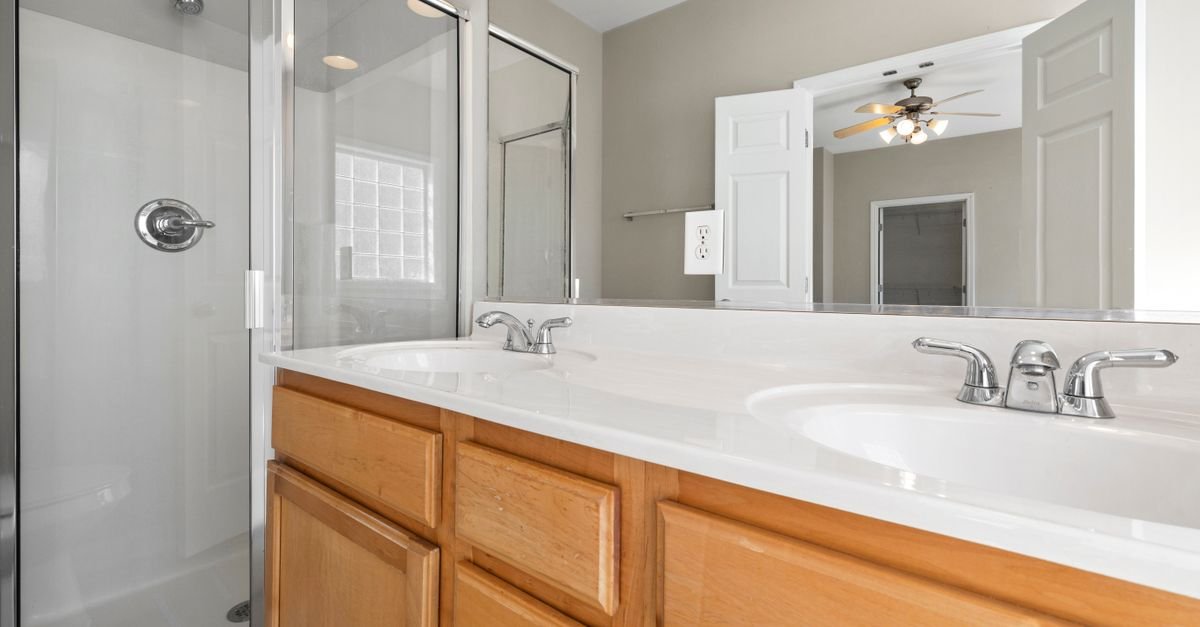
Cracked or moldy caulk is not always just a cosmetic problem. Use this surface-by-surface checklist to decide whether to clean, repair, or remove the old sealant completely.

A damp bathroom is often caused by timing, airflow, or a fan that is moving less air than it should. Try this simple routine before buying new equipment.

Clean stainless-steel appliances with the mildest method approved for the finish: use a soft cloth, follow the grain on brushed surfaces, rinse away residue, and dry immediately.

Before replacing your water heater, start with the changes that cost little or nothing: check the temperature setting, reduce unnecessary hot-water use, insulate accessible pipes, and use efficient fixtures. Then compare controls and replacement options based on your heater type, household demand, and available space.

A usable pantry starts with shelf geometry, not containers. Measure the foods you buy most often, group them by height and frequency, and assign each shelf a clear job before purchasing bins or risers.

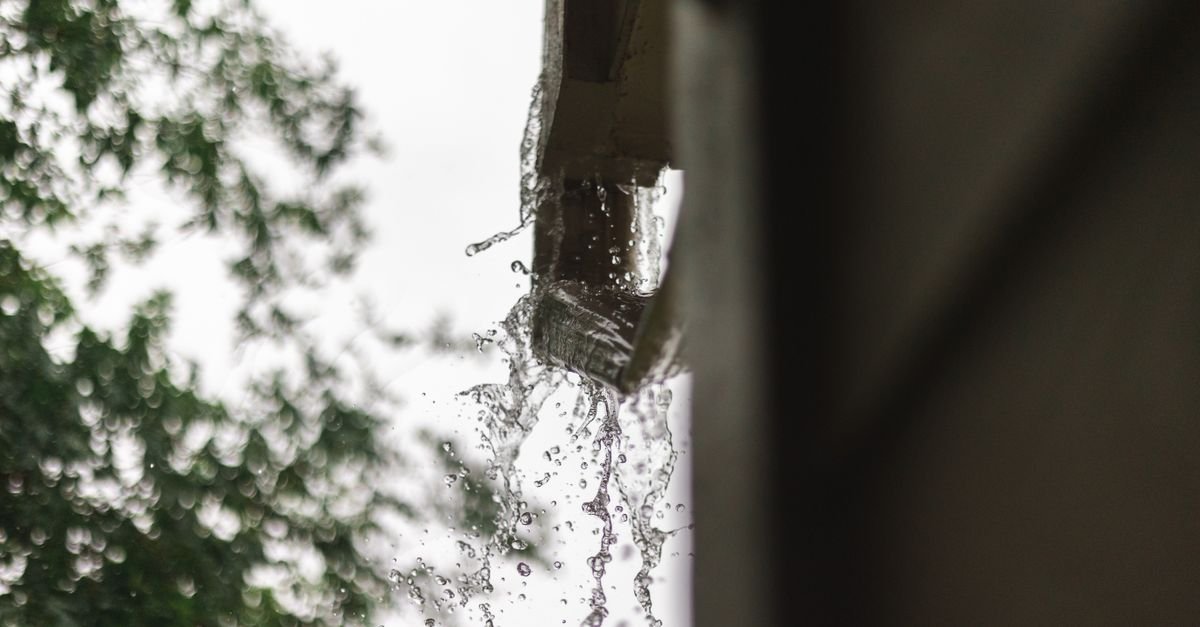
Most homes need gutter cleaning at least twice a year, but the better schedule depends on trees, storms, roof design, and what happens to the water after it leaves the downspout.

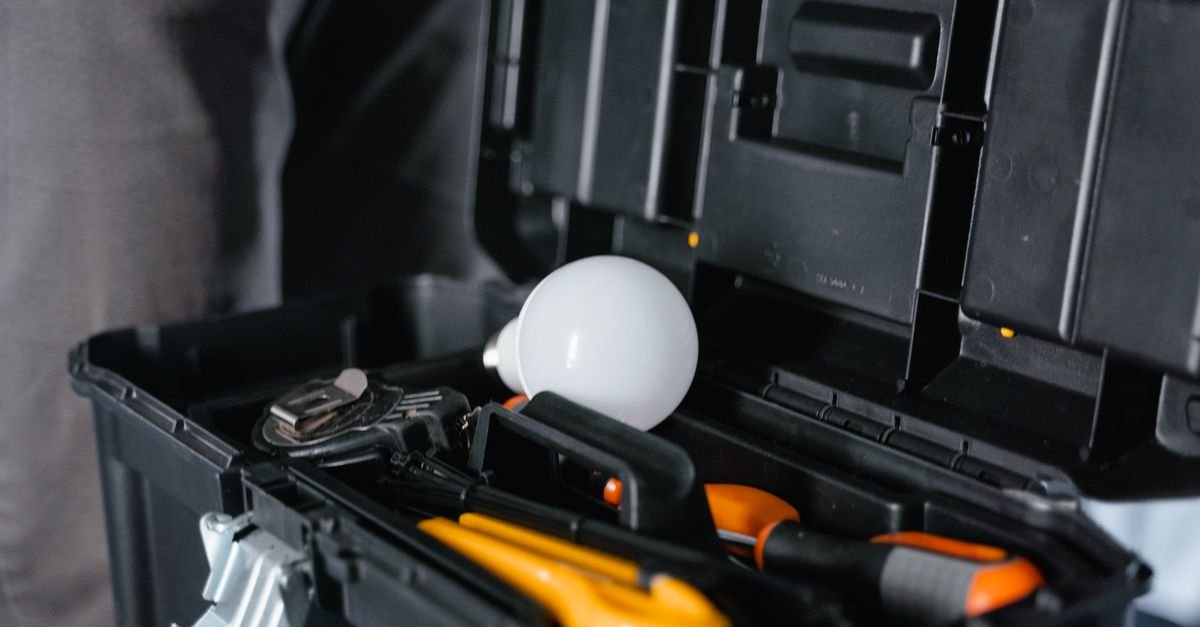
You do not need a giant toolbox on moving day. Start with tools for the jobs you are most likely to handle, then add equipment only when a real project justifies it.

A yearly homeowner inspection is not a substitute for a licensed specialist. It is a repeatable visual walk-through that helps you notice changes, document evidence, and decide what needs professional attention.

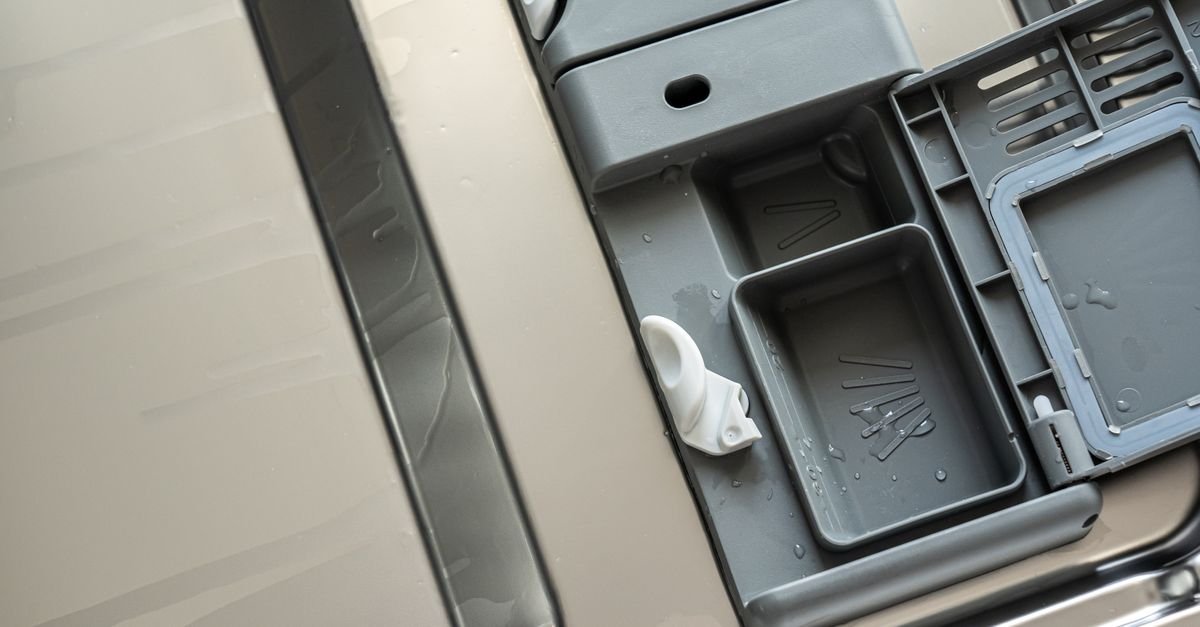
Routine appliance checks cannot guarantee that leaks will not occur, but inspecting connections, seals, filters, and drain paths can help identify problems early and reduce the risk of water damage.