When you move into a new home, the age and service history of your HVAC system, water heater, and other equipment is often unknown. Building a system inventory during the first month creates a reference that simplifies maintenance planning, supports warranty claims, and provides evidence if resale questions arise later.[1]
What a System Inventory Includes
A system inventory is a record you create for each major home system and piece of equipment. At minimum, track what the equipment is, where it is located, and any service, repair, or replacement history you can find or start documenting going forward.[2] The goal is to collect the details you will need when scheduling service, ordering replacement parts, or deciding whether a repair or a replacement makes more sense.
Which Systems to Document First
Start with equipment that needs routine maintenance or has a limited lifespan, such as:
- HVAC system (furnace, air conditioner, heat pump)
- Water heater
- Major appliances (refrigerator, dishwasher, washer, dryer)
- Sump pump and water softener
- Garage door opener
- Smoke and carbon monoxide detectors
Tracking the service history of systems like these, including filter changes and tune-ups, is part of what makes an HVAC system less likely to fail at the worst time.[1]
Finding the Information Safely
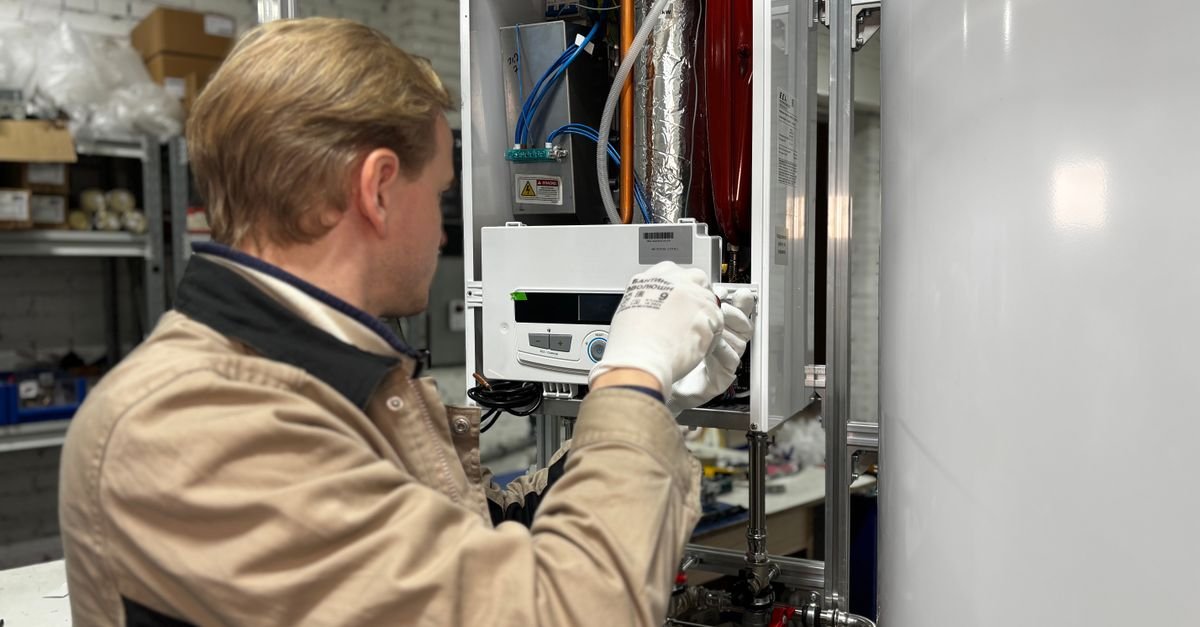
Check the equipment's manual, or the manufacturer's website using the model number, to confirm what the plate or label should show and where it is safely located on your specific equipment. Only read labels that are visible from outside the unit's housing. Do not open electrical panels, access service compartments, remove covers that require tools, or move heavy appliances to find a label. If a label isn't visible without doing one of those things, record what you can observe (brand name, approximate age if known from the seller's disclosure or prior invoices) and note the rest as unknown until a technician can confirm it during a routine service visit.
If you cannot locate or safely access a data plate, don't guess at a manufacturing date. Record it as unknown, and distinguish between the manufacturing date (when the unit was built) and the installation date (when it went into your home), since these can differ and both are useful to know separately.
What Information to Record
For each system, a simple inventory row can include:
- Location
- Where the equipment is installed (e.g., "basement," "attic," "attached garage")
- Manufacturer and model number
- From the visible data plate or label, when safely accessible
- Serial number
- From the same label, if visible
- Installation date
- If known from seller records; otherwise mark as unknown
- Manufacturing date
- Only if confirmed from the label or manufacturer; otherwise mark as unknown
- Filter size or part numbers
- Confirm against the equipment manual or manufacturer's parts lookup
- Capacity or rating
- BTU, gallons, amps, as listed on the label or manual
- Service provider and contact
- Name and phone number of the technician or company who last serviced the unit, if known
- Existing records
- Any manuals, warranties, or invoices left by the previous owner
Taking a photo of each visible data plate with your phone adds a visual reference and helps you capture the information accurately.[1]
Recording Guidance for Specific Systems
HVAC Systems
Record the filter size from your equipment manual or the manufacturer's parts lookup. Note the maintenance interval for filter replacement and seasonal tune-ups as specified in the manual. Track each filter change and annual service visit, including the date and any notes from the technician.
Water Heaters
Document the tank capacity in gallons, fuel type (electric, gas, or propane), and anode rod replacement interval as specified in the manual. Track any sediment flushing or maintenance performed, and note the expected lifespan indicated by the manufacturer.
Major Appliances
For each appliance, keep the product manual and warranty.[2] Record any replacement part numbers listed in the manual (such as water filters for refrigerators or lint traps for dryers), and note the recommended maintenance tasks and their frequency from the manual's care instructions.
Why This Inventory Matters Beyond Maintenance
Home inspectors assess a property more effectively when maintenance documentation is available, since a record of routine service and upgrades gives them a clearer picture of a system's condition instead of having to guess.[1]
When selling, a record of maintenance reassures buyers that the property has been cared for, and proof of a new roof, plumbing updates, or routine HVAC servicing can eliminate doubts during negotiations.[1] Well-documented maintenance history also tends to generate less buyer and inspector concern than unexplained repairs or cosmetic fixes with no backing records.[3]
Maintenance records also streamline warranty claims. Many components come with warranties that require proof of purchase and service dates, and having records on hand can expedite the claims process.[2]
How to Organize and Store the Inventory
You can use a simple binder, a spreadsheet, or a digital home management app. Digital platforms like HomeBinder, Centriq, and Househappy are designed to organize maintenance records, store documents, and set service reminders.[1]
Whichever format you choose, keep copies of product manuals, warranties, and any service invoices you receive going forward, and refer to the manuals for troubleshooting guidance or warranty terms when something needs attention.[2] Update the inventory as repairs or replacements occur so the record stays current.[2]
Turning the Inventory Into a Maintenance Reference
Once you know the age and specifications of each system, even if some dates start out marked unknown, you can plan maintenance more effectively. Tracking when components were installed or serviced helps you estimate their remaining lifespan and budget for replacements in advance.[2]
This inventory also supports a broader home maintenance schedule by identifying which systems need seasonal or annual attention, and pairs well with an annual self-inspection as a way to keep the record current over time.
Sources
- Home Maintenance Records: Why Every Homeowner Should Keep Track — Mississippi Home Inspectors Division
- How Long To Keep Home Repair Records After Sale — Storables
- How To Document Home Maintenance For Insurance Claims (Step-by-Step System) — Home Kitchen Magazine