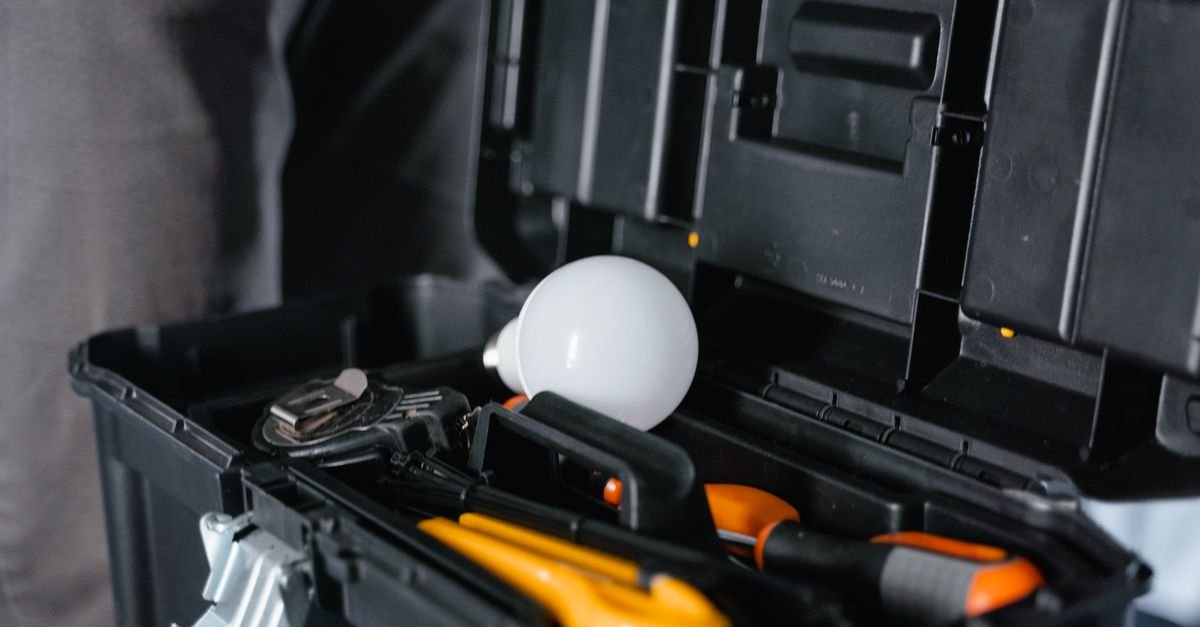
You do not need a 100-piece toolbox to maintain a home. Most first-time homeowners can begin with a compact set of hand tools, one versatile drill/driver, basic safety gear, and a way to organize small parts. Add specialized tools only after a project shows you will use them more than once.
A useful rule is to sort every tool into four groups: buy now for frequent, low-risk tasks; borrow for occasional jobs; rent for large or specialized equipment; and hire a professional when the work involves significant hazards, hidden damage, or systems you are not trained to repair.
Buy first: the compact starter kit
These tools cover common jobs such as tightening hardware, hanging pictures, assembling furniture, measuring spaces, opening packages, and making small adjustments around the house. A practical starter kit includes:
- Medium claw hammer
- Phillips and flat-head screwdrivers, or a quality multi-bit driver
- Adjustable wrench
- Tongue-and-groove pliers
- Utility knife with replacement blades
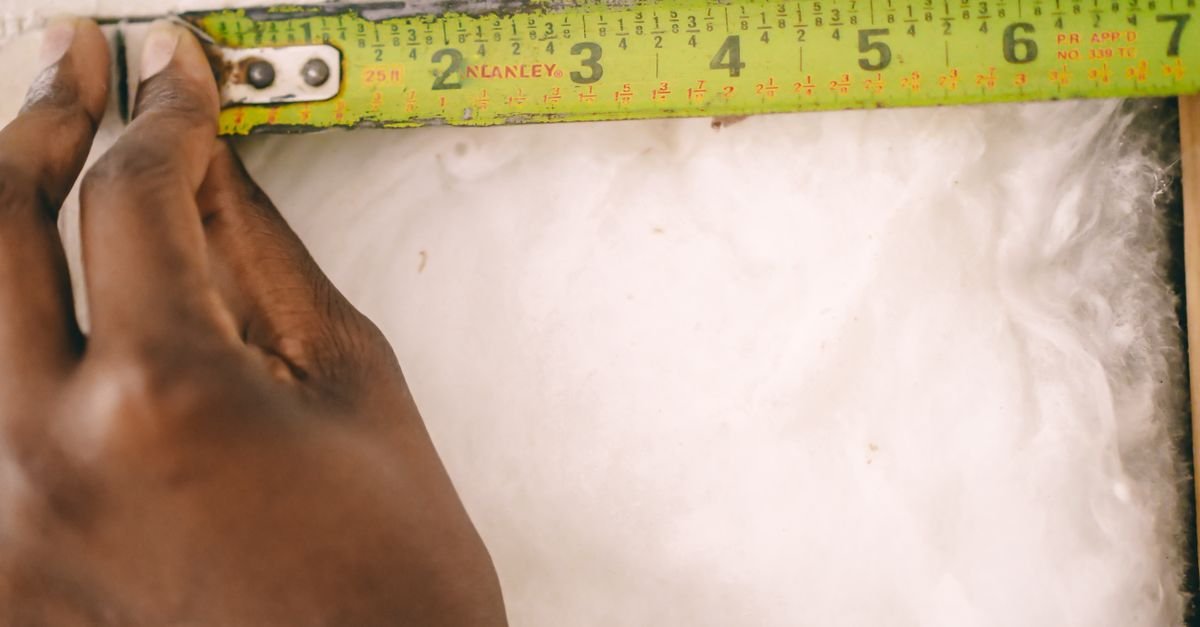
- 25-foot tape measure
- Small torpedo level
- Hex-key set
- Small pry bar
- Flashlight or headlamp with spare batteries
- Caulk gun
- Painter’s tape and a pencil or permanent marker
- Work gloves and safety glasses
This is intentionally less comprehensive than many “ultimate tool” lists. A smaller kit is easier to store, easier to keep in good condition, and less likely to contain tools you bought for a single imagined project. A first-time homeowner checklist from This Old House similarly emphasizes basic measuring, fastening, cutting, lighting, and gripping tools before more specialized equipment.[1]
Add one power tool when you have a real need
For most homeowners, the first power tool worth considering is a cordless drill/driver with a battery, charger, and a mixed drill-and-driver-bit set. It can handle repeated screw-driving and many basic drilling tasks without requiring a large collection of machines. The best choice depends on the materials in your house and the jobs you expect to do, not on the size of a bundled set.
Do not automatically buy a circular saw, reciprocating saw, grinder, sander, impact driver, or oscillating tool. Those tools can be useful, but they are project-specific. Buy one when you have identified a job, learned how to use it safely, and expect to use it again. OSHA advises choosing the right tool for the task, inspecting tools before use, following manufacturer instructions, and removing damaged tools from service.[2]
Project-based tool matrix
The table below connects common homeowner scenarios with a sensible purchasing decision. It helps prevent the most common mistake: buying equipment before understanding the job.
| Likely homeowner job | Useful tools | Best acquisition choice | Why |
|---|---|---|---|
| Assemble furniture or tighten loose hardware | Multi-bit driver, hex keys, adjustable wrench | Buy now | These jobs are common and require little storage space. |
| Hang pictures, curtain hardware, or a small shelf | Level, tape measure, stud-finding method, drill/driver, bits | Buy gradually | Start with measuring and leveling tools; add a drill when installation work becomes frequent. |
| Touch up caulk around a sink or tub | Utility knife, caulk gun, scraper, gloves | Buy now | Low-cost tools are reusable for many sealing and maintenance jobs. |
| Inspect a dark attic, crawlspace entrance, or utility area | Headlamp, flashlight, phone camera, notepad | Buy now | Good lighting and documentation are more useful than specialized repair tools. |
| Assemble a deck, fence, or large outdoor structure | Drill/driver, long bits, clamps, saw, layout tools | Borrow, rent, or hire | The right equipment depends heavily on the project size and material. |
| Remove flooring or perform substantial demolition | Long pry bar, heavier hammer, scraper, protective equipment | Borrow or rent | These tools may be useful for one project but take up space afterward. |
| Work near service wires or open electrical equipment | Not a beginner tool-kit project | Hire a qualified professional | Do not treat a basic homeowner kit as a substitute for electrical training. |
What to borrow instead of buy
Borrow tools when the job is occasional, the tool is expensive, or storing it would be inconvenient. Examples include a post-hole digger, tile cutter, pressure washer, advanced stud-finding device, specialty socket, or large sander.
Before borrowing, confirm that you know the tool’s purpose, controls, attachments, and limitations. Ask for the manual if the tool is unfamiliar. Do not accept equipment with a damaged cord, cracked housing, missing guard, dull or improperly installed blade, or battery that shows signs of damage. “Free” equipment is not a bargain if it is unsafe or if you cannot verify how to operate it.
When renting makes more sense
Rent rather than buy when the tool is expensive, bulky, or designed for a short project. A rental may make sense for floor sanders, concrete tools, large pressure washers, and certain saws. Drain-cleaning equipment can be hazardous: if the blockage, the equipment’s operation, or the condition of the pipes is uncertain, stop and use a professional drain service instead of renting or operating the equipment yourself. The rental counter should be able to explain the tool’s intended use, required accessories, safety equipment, and return expectations.
Read the instructions before leaving the store and avoid choosing a more powerful model simply because it appears faster. If you cannot confidently control the equipment in a clear, stable work area, the better decision may be to hire the job out.
Jobs to leave to a professional
Tools do not replace diagnosis or experience. Hire a qualified professional for work involving gas lines or appliances, service panels and rewiring, structural or load-bearing changes, major roof work, asbestos, extensive mold, combustion equipment, drain blockages or pipe conditions you cannot confidently assess, or repairs where a mistake could create a fire, flood, fall, or carbon-monoxide hazard.
You should also stop and ask for help when a “small” repair reveals hidden water damage, deteriorated framing, active leaks, unknown wiring, or materials that may contain hazardous substances. A homeowner tool kit is for routine maintenance and straightforward projects—not for making uncertain problems disappear.
Safety gear belongs in the first purchase
Safety glasses, work gloves suited to the task, hearing protection for loud equipment, and a headlamp are more useful than many specialty tools. Keep a basic first-aid kit nearby, protect the work surface, and keep children and pets out of the work area.
Inspect hand and power tools before use, keep guards and attachments in place, and use tools only as the manufacturer specifies.[2] Avoid overhead power lines entirely. Do not use a ladder or equipment where it could contact or approach an overhead line. If clearance is uncertain, stop and contact the utility or a qualified professional rather than relying on a nonconductive ladder or estimating the distance yourself. The U.S. Consumer Product Safety Commission warns that ladders and electricity can create a severe electrocution hazard.[3]
Store the kit around the jobs you actually do
A basic tool bag can be more useful than a large, disorganized box. Keep frequently used hand tools together, store sharp blades in a protected container, and label spare bits, fasteners, and batteries. A second small kit can live near the area where you do most maintenance, such as a garage, utility room, or workshop.
As you learn your house, pair the tool kit with a maintenance record. Note the locations of shutoffs, appliance manuals, warranty information, and recurring tasks. A homeowner inspection can help reveal which tools are genuinely useful for your property; you can use this annual home inspection guide as a planning checklist.
A simple buying sequence
- Moving week: Buy the compact hand-tool kit, flashlight or headlamp, safety glasses, gloves, tape measure, and a storage bag.
- After the first inspection: Add items that match visible needs, such as a caulk gun, hex keys, or a drill/driver.
- Before a major project: Make a tool list, then decide what to borrow, rent, or hire out.
- After the project: Keep only tools you expect to use again and return borrowed or rented equipment promptly.
The goal is not to own every tool. It is to have the right equipment for ordinary maintenance, recognize when a job exceeds your skills, and avoid spending money on tools that will sit unused.
Quick decision rule
Buy it if you will use it several times a year. Borrow it if you need it once and can learn it safely. Rent it if the job requires specialized or bulky equipment and you can operate it safely. Hire it out if the consequences of an error could involve fire, flooding, structural failure, hazardous exposure, serious injury, uncertain drain conditions, or overhead power lines.
Sources
- Essential Home Maintenance and Tool Checklist for First-Time Homebuyers — This Old House
- Hand and Power Tools — Overview — Occupational Safety and Health Administration
- Ladders and Electricity Don’t Mix — U.S. Consumer Product Safety Commission